Periodontics at The Mugford Center | Crofton, MD Experts

Periodontics at The Mugford Center: Transforming Smiles in Crofton

When it comes to oral health, your gums play a crucial role in maintaining a beautiful smile and overall well-being. At The Mugford Center in Crofton, MD, we specialize in periodontics, helping patients restore gum health and prevent serious dental issues. If you’re struggling with gum disease or want to enhance your smile, you’re in the right place.

What is Periodontics?

Periodontics is the branch of dentistry that focuses on the health of your gums and supporting structures. Without proper gum care, even the healthiest teeth can be at risk. Our expert periodontists at The Mugford Center are dedicated to ensuring your gums stay strong and disease-free.

Why Gum Health Matters More Than You Think

Your gums are more than just a frame for your teeth; they are the foundation of a healthy mouth. Neglecting gum health can lead to:

  • Gum Disease (gingivitis and periodontitis)
  • Tooth Loss
  • Bad Breath
  • Increased Risk of Heart Disease and Diabetes

Signs You Might Need a Periodontist

Wondering if you need to see a periodontist? Look out for these warning signs:

  • Bleeding gums when brushing or flossing
  • Persistent bad breath
  • Swollen or receding gums
  • Loose or shifting teeth
  • Pain while chewing

If any of these sound familiar, don’t wait! The Mugford Center in Crofton, MD, is here to help.

Our Periodontal Services at The Mugford Center

At The Mugford Center, we offer cutting-edge periodontal treatments designed to restore and maintain your gum health.

1. Scaling and Root Planing

A deep-cleaning procedure that removes plaque and tartar from below the gum line, helping to prevent gum disease from progressing.

2. Laser Gum Therapy

Advanced laser technology is used to treat gum disease with minimal pain and faster healing times.

3. Gum Grafting

For patients with receding gums, we offer gum grafting procedures to restore lost tissue and protect tooth roots.

4. Dental Implants

If you’ve lost teeth due to periodontal disease, dental implants provide a long-term solution for a beautiful, functional smile.

5. Periodontal Maintenance

Regular cleanings and check-ups are essential to keep gum disease at bay. Our personalized maintenance plans ensure your gums remain in top shape.

Why Choose The Mugford Center in Crofton, MD?

Choosing the right periodontist makes all the difference in your treatment and results. Here’s why patients trust The Mugford Center:

  • Expertise & Experience: Our team has years of specialized training in periodontics.
  • State-of-the-Art Technology: We use the latest advancements in gum care to ensure the best outcomes.
  • Patient-Centered Approach: Your comfort and satisfaction are our top priorities.
  • Compassionate Care: We understand that dental procedures can be daunting, and we’re here to support you every step of the way.

What to Expect During Your First Visit

If you’re visiting The Mugford Center for the first time, here’s what you can expect:

  1. Comprehensive Exam: We evaluate your gum health and overall oral condition.
  2. Personalized Treatment Plan: Based on your needs, we create a customized plan tailored to restore and maintain your gum health.
  3. Gentle, Effective Care: Our team ensures your experience is as comfortable as possible.

Take Control of Your Gum Health Today

Healthy gums are the foundation of a healthy smile. Don’t let gum disease hold you back. Whether you need preventive care, treatment for gum disease, or dental implants, The Mugford Center in Crofton, MD, is here to help.

Book Your Consultation Now!

Schedule an appointment today and take the first step toward healthier gums and a confident smile.

FAQs

1. What is the difference between a dentist and a periodontist?

A dentist focuses on general oral care, while a periodontist specializes in gum health, treating conditions like gum disease and placing dental implants.

2. How do I know if I have gum disease?

Common symptoms include bleeding gums, persistent bad breath, and gum recession. If you notice any of these, schedule an appointment at The Mugford Center.

3. Is periodontal treatment painful?

Most treatments are minimally invasive, and we use advanced techniques to ensure your comfort throughout the process.

4. Can gum disease be reversed?

Early-stage gum disease (gingivitis) can be reversed with proper care. Advanced gum disease (periodontitis) requires professional treatment to manage.

5. How often should I visit a periodontist?

Regular visits depend on your gum health, but most patients benefit from check-ups every 3 to 6 months.

Continue reading

The Power of a Comprehensive Dental Exam

The Power of a Comprehensive Dental Exam

Comprehensive Dental Exams: More Than Just a Healthy Smile

When most people think of dental exams, they often picture a quick check-up and a cleaning. While these are essential components of oral health, a comprehensive dental exam offers far more. It’s a proactive approach to your overall well-being, going beyond just the health of your teeth and gums.

Why Should I Get a Comprehensive Dental Exam?

A comprehensive dental exam is a thorough evaluation of your oral health by a qualified periodontist like Dr. John Bruce at the Mugford Center for Periodontics and Dental Implants. It involves a detailed examination of your teeth, gums, and supporting structures.

“A comprehensive exam is critical because it gives us a holistic snapshot of your current oral health,” notes Dr. Bruce. “Besides cavities, it can provide early detection of oral health issues such as gum disease — and the early prevention of more serious complications, such as tooth loss and systemic health problems.” 

Dr. Bruce added that comp exams provide an assessment of overall health, potential impacts related to heart disease, diabetes and respiratory infections. Studies have shown a strong link between oral health and heart disease. Poor oral health can contribute to inflammation throughout the body, increasing the risk of heart attack and stroke. It is also widely recognized that people with diabetes are more susceptible to gum disease. Regular dental exams can help manage diabetes and prevent complications. 

Bacteria from the mouth can travel to the lungs, increasing the risk of respiratory infections, especially in older adults.

“At the Mugford Center, we use the comprehensive exam to create a personalized treatment plan based on your specific needs and goals. We often recommend preventive measures like regular cleanings, fluoride treatments, and dental sealants to protect your oral health.”

COMMON PATIENT QUESTIONS

What Happens During a Comprehensive Dental Exam?

A typical comprehensive dental exam involves the following steps:

  1. Medical and Dental History Review: Your Mugford Center providers will review your medical history, including any medications you’re taking, and your dental history, such as previous dental treatments.
  2. Visual Examination: We will also visually examine your teeth, gums, tongue, and oral tissues for any signs of abnormalities, such as swelling, redness, or discoloration.
  3. Dental X-rays: X-rays allow us to see what’s happening beneath the surface of your teeth, including any hidden cavities, bone loss, or impacted teeth.
  4. Oral Cancer Screening: The Mugford professionals will also conduct a thorough oral cancer screening to check for any suspicious lesions or growths.
  5. Gum Tissue Examination: We measure the depth of the pockets between your teeth and gums to assess the health of your gum tissue.
  6. Bite Analysis: We analyze your bite to identify any issues that could lead to tooth wear, jaw pain, or other problems.

How Often Should I Get a Comprehensive Dental Exam?

The frequency of your dental exams will depend on your individual needs and risk factors. However, most dental professionals, including Drs. Bruce and David Mugford, recommend getting a comprehensive dental exam at least once a year. If you have a higher risk of dental problems, such as gum disease or a family history of oral health issues, you may need more frequent exams.

Why Choose the Mugford Center for Periodontics and Dental Implants?

At the Mugford Center for Periodontics and Dental Implants, we are committed to providing our patients with the highest quality periodontal care. Our experienced periodontists, Dr. John Bruce and Dr. David Mugford, are dedicated to helping you achieve optimal oral health.

When you choose us, you can expect:

  • Expert Care: Our doctors are highly skilled periodontist with years of experience in treating a wide range of periodontal conditions.
  • Advanced Technology: We use state-of-the-art technology to diagnose and treat dental problems accurately and efficiently.
  • Personalized Treatment Plans: We tailor our treatment plans to meet the unique needs of each patient.
  • Comfortable and Convenient: We strive to create a relaxing and comfortable environment for our patients.
  • Exceptional Patient Care: Our dedicated staff is committed to providing compassionate and personalized care.

Book Your Comprehensive Dental Exam Today

If you’re looking for a periodontist in the Crofton, Maryland area, we encourage you to schedule a comprehensive dental exam at the Mugford Center for Periodontics and Dental Implants. You can book an appointment by calling us directly at (410) 260-0790 or by filling out our online contact form.

Don’t wait until it’s too late. Take control of your oral health and schedule your comprehensive dental exam today.

Continue reading

Sedation Dentistry

Sedation Dentistry

Are you letting anxiety get in the way of regular dental check ups? Are your teeth suffering because you fear going to the dentist? By choosing IV sedation dentistry when you schedule your next dental appointment you can now experience high-quality dental care while feeling relaxed and worry-free.

IV sedation dentistry works with anti-anxiety and sedative medication that calms and relaxes while keeping you awake. Sleep dentistry uses conscious sedation which produces an almost amnesiac effect while still allowing your physical reflexes to function. You can feel safe and calm before, during, and after your visit to the Mugford Center. You may walk away with hardly a memory of the visit!

Do I Need IV Sedation Dentistry?

While there are no specific qualifications for sedation, the majority of patients who request anti-anxiety medication or IV sedation experience one or more of the following symptoms:

Anxiety or fear of dental visits.Sensitive gag reflex.Neck or back problems.Soreness or discomfort after sitting in dental chair.Difficulty numbing with local anesthetic.A need for a significant amou

  • Anxiety or fear of dental visits.
  • Sensitive gag reflex.
  • Neck or back problems.
  • Soreness or discomfort after sitting in dental chair.
  • Difficulty numbing with local anesthetic.
  • A need for a significant amount of dental work in one visit.
  • Apprehension about needles or pain.

Benefits Of IV Sedation Dentistry

Relieves Pain:

  • While IV sedation does not contain pain relievers, studies show that high levels of anxiety reduce pain tolerance.Therefore, as sedation dentistry reduces your anxiety, your pain tolerance should naturally increase. Sleep dentistry is always accompanied by a local anesthetic for procedures that would require it without sleep dentistry. This way, you know you will be comfortable.

Maintains Alertness:

  • Although sedation dentistry is often referred to as “sleep dentistry,” it does not always cause patients to fall asleep. Most patients feel somewhat groggy and sleepy, but remain awake enough to communicate any pain or concerns to the sedation dentist.

Reduces Soreness:

  • If you experience neck or back pain, sedation dentistry relaxes muscle tension so that you can sit comfortably in the chair, reducing soreness afterwards.

Offers Safety:

  • IV sedation is considered one of the safest forms of sedation dentistry because it allows you to feel calm and relaxed while still keeping your natural reflexes alert in case of an emergency.

Safeguards Your Health:

  • For those who generally experience extreme stress and anxiety during dental appointments, sedation dentistry reduces the risk of other health complications—such as heart problems, strokes, etc.—from occurring during the visit.

Ensures Excellent Care:

  • Not only does sleep dentistry help you feel more at ease in the dental chair, but it also increases the quality of dental care because the sedation dentist can work more effectively when you are still and relaxed.

The Sedation Dentistry Experience

Initial Consultation:

  • By calling our office to schedule a consultation, we can discuss the sedation option with you. After taking into account your medical history, current medications, and anxiety levels, we recommend the best way to help you feel at ease and comfortable.

IV Sedation:

  • IV sedation produces calming and amnesia-like effects, and the medication is issued intravenously. IV sedation will take a little more time than a regular visit, but often more work can be accomplished because the effect is prolonged. Be sure to have someone pick you up from your appointment because you may still feel sleepy.

Throughout the Procedure:

  • Because IV sedation does not numb your teeth, you will need a local anesthetic for most procedures. During your dental visit you should feel groggy and slightly oblivious to the dental work being done. You will still be able to breathe, talk, and move, but you may not remember much after your visit.

Recovery:

  • Most patients report minimal side effects from sedation dentistry. However some experience dry mouth, hiccups, or nausea. Most patients feel alert and back to normal within a day of their visits to the sedation dentist.

To learn more about how sedation dentistry can alleviate your fears and benefit the quality of your dental visits, call our office today at (410) 721-7801.

Continue reading

How to Spot Gum Disease In Its Earliest Stages

How to Spot Gum Disease In Its Earliest Stages

Protecting Your Smile and Overall Health

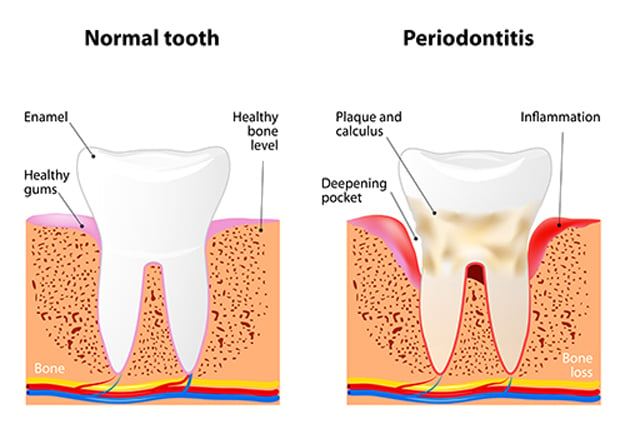
Gum disease, also known as periodontal disease, is a prevalent condition affecting millions of Americans. It threatens the health of your gums and teeth through bacterial infection. Bacteria form a sticky film called plaque on your teeth. Left unchecked, this plaque hardens into tartar, which can irritate and inflame your gums. If left untreated, the infection can spread and damage the bone supporting your teeth, ultimately leading to tooth loss.

The good news is that gum disease is preventable and treatable, especially in its early stages. Dr. David Mugford, a leading periodontist at the Mugford Center for Periodontics and Dental Implants in Crofton, Maryland, emphasizes the importance of early detection and treatment. “Swollen, inflamed, or bleeding gums might not seem like a big deal,” says Dr. Mugford, “but they are often the very first signs of gum disease. Periodontal disease can have serious consequences if ignored for too long, and can even cause critical health problems for you in the long run.”

Understanding the Causes and Risk Factors of Gum Disease

While plaque (and the bacteria it harbors) is the primary culprit behind gum disease, other factors can contribute to its development or worsen existing gum problems. These risk factors include:

  • Chewing tobacco: Tobacco use significantly increases your risk of gum disease and makes treatment more challenging.
  • Malnutrition: A lack of essential vitamins and nutrients can weaken your gums and make them more susceptible to infection.
  • Alcohol consumption: Excessive alcohol consumption can weaken your immune system and hinder your body’s ability to fight off gum disease.
  • Smoking: Smoking weakens the body’s immune system and reduces blood flow to the gums, making them more vulnerable to infection.
  • High stress levels: Chronic stress can contribute to inflammation throughout the body, including the gums.
  • Certain medications: Some medications can cause dry mouth, which can reduce saliva production and increase the risk of gum disease.

Classifications of Gum Disease: Recognizing the Stages

Gum disease progresses through various stages, each with distinct characteristics. Early detection allows for prompt treatment and helps prevent complications. Here’s a breakdown of the stages of gum disease:

First Stage: Gingivitis

Gingivitis is the mildest and most reversible stage of gum disease. It’s characterized by inflammation of the gums caused by plaque buildup. Symptoms of gingivitis may include:

  • Swollen, puffy, or red gums
  • Gums that bleed easily when brushing or flossing
  • Bad breath (halitosis)
  • Tenderness in the gums

Second Stage: Periodontitis

If gingivitis is left untreated, it can progress to periodontitis, a more severe stage. In this stage, the infection spreads deeper into the gum tissue and bone supporting your teeth. The symptoms of periodontitis can include:

  • All the symptoms of gingivitis (listed above)
  • Receding gums, which make teeth appear longer
  • Loose teeth
  • Increased space between teeth
  • Pus between the teeth and gums
  • Deep pockets around the base of the teeth

Third Stage: Advanced Periodontitis

Advanced periodontitis is the most severe stage of gum disease. At this stage, significant damage has occurred to the bone and tissues supporting your teeth. Symptoms of advanced periodontitis may include:

  • All the symptoms of periodontitis (listed above)
  • Severe pain when chewing
  • Significant tooth loss

Treatment Options for Gum Disease

Treatment options for gum disease depend on the severity of the condition. In the early stages (gingivitis), good oral hygiene practices, a balanced diet, avoiding tobacco products, and regular dental checkups can often reverse the condition.

For more advanced stages of gum disease (periodontitis), additional treatments may be necessary. These may include:

  • Scaling and root planing (deep cleaning): This procedure removes plaque and tartar buildup from below the gum line.
  • Antibiotics: In some cases, antibiotics may be prescribed to help control the bacterial infection.
  • Surgery: In severe cases, gum surgery may be necessary to repair damaged tissue or bone.

The Link Between Gum Disease and Overall Health

Dr. Mugford highlights the critical connection between gum disease and overall health. “Gum disease is a threat to your oral health as well as your general health,” he emphasizes. Research suggests a potential link between gum disease and other health issues, such as:

  • Stroke
  • Bacterial pneumonia
  • Diabetes
  • Cardiovascular disease
  • Increased pregnancy complications

Early Detection is Key: Schedule a Consultation Today

Since gum disease can progress silently in its early stages, regular dental checkups are crucial for early detection and treatment. At the Mugford Center for Periodontics and Dental Implants in Crofton, Maryland, our team of experienced professionals has extensive expertise in diagnosing and treating gum disease. We utilize advanced technology and techniques to provide personalized care for optimal results.

Here are some signs that you might need to see a periodontist:

  • You experience any of the symptoms of gum disease, such as bleeding gums, bad breath, or loose teeth.
  • Your dentist recommends seeing a periodontist for more advanced treatment.
  • You have a history of gum disease and require ongoing monitoring or maintenance treatment.
  • You are considering dental implants and need a healthy foundation for the procedure.

Take charge of your oral health and prevent gum disease!

  • Practice good oral hygiene: Brush your teeth twice a day for two minutes each time, and floss daily.
  • Maintain a balanced diet: Choose nutritious foods that support overall health, including your gums.
  • Schedule regular dental checkups and cleanings: Professional cleanings remove plaque and tartar buildup that you can’t remove at home.
  • Don’t smoke or use tobacco products: Smoking and tobacco use significantly increase your risk of gum disease.
  • Manage stress effectively: Chronic stress can contribute to inflammation throughout the body, including the gums.

Get a Professional Opinion on Your Gum Health

If you’re concerned about gum disease or have any questions about your oral health, contact the Mugford Center for Periodontics and Dental Implants today. Call us at (410) 260-0790 to schedule a consultation with Dr. Mugford, a leading periodontist in Crofton, Maryland. We are committed to helping you achieve and maintain optimal oral health for a lifetime of confident smiles.

Additional Resources:

Our goal is to provide you with the information you need to make informed decisions about your oral health. We look forward to hearing from you!

Please note: This blog post is for informational purposes only and should not be considered a substitute for professional medical advice. Always consult with a qualified healthcare professional for diagnosis and treatment.

Continue reading

Accessibility Toolbar

The Mugford Center
4.9
Based on 347 reviews
×
js_loader